On identifying a pattern
Prelude
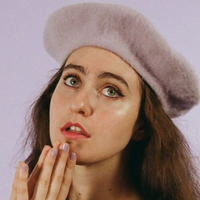
Iconic musician, producer, director, and performance artist, Peaches first catapulted to stardom with her 2000 debut, The Teaches of Peaches, which introduced the world to her sexually transgressive, fiercely assertive, and utterly captivating persona. The album’s ubiquitous lead single “Fuck the Pain Away” became a bonafide smash and a genuine pop culture phenomenon. Peaches has released five more trailblazing albums, won the prestigious Polaris Heritage Prize, collaborated with everyone from Iggy Pop and Daft Punk to Christina Aguilera and Yoko Ono, and landed songs in cultural watermarks like Lost in Translation and The Handmaid’s Tale. In addition to her musical output, Peaches has directed numerous videos, co-curated a photo book of her life, created a host of immersive installations and performative works, and penned the electro-rock opera Peaches Does Herself, which was adapted into a film. She is the subject of two acclaimed documentaries—Teaches of Peaches (2024) and Peaches Goes Bananas (2024)—and most recently has released her widely acclaimed new album No Lube So Rude (2026) and made her score debut for Dan Levy’s Big Mistakes on Netflix.
Conversation
On identifying a pattern
Musician Peaches discusses being okay with not being understood, psyching herself out, and bringing joy to the resistance.
As told to Sun Noor, 827 words.
Tags: Music, Process, Success, Focus, Independence, Beginnings.
Is there a specific moment earlier on in your career that has affirmed your direction as an artist?
I guess what I can say is that I had an idea. Then, once I was playing live, I could see how people were reacting—and having sort of major reactions to what I was doing [with stage performances]. I think that motivated me and told me where people were at, and it motivated me to push things even more, to see what reactions I could get from people.
Is there a piece of advice you wish you’d received at the beginning of your journey?
Actually, I’m really happy I didn’t, because I just probably would’ve stunted a lot of things I did. I really didn’t have any mentor or someone to talk to about this. Yeah, no. It was really like the Wild West for me with this kind of stuff and I’m happy about it.
Has your approach to art changed over time?
I think it hasn’t changed. My attitude has changed a little more. I used to get more angry if there was an opposing comment, but I let things roll off my back more and understand that it’s okay. Not everybody understands, and that’s fine and that’s good. It’s good to confuse people. You’ll find that they’ll probably come back to you, years later, with more understanding. Just give people space and time, like you’re giving yourself.
Is there anything you’ve newly discovered about yourself in relation to your artistic practice?
I guess I’m thinking a lot about tour and a lot about performance… The energy you expend can look like you’re expending all that energy without you tiring yourself out. I can’t explain that, but it’s working.
Is there anything that you do consistently at the start of a new project, across your disciplines?
I tell myself, “What the fuck am I doing? I’ve never done anything in my life.” I totally psych myself out. I’m like, “How am I going to do this?” I get stressed. I freak myself out. It’s a bad pattern, but it’s a pattern.
Is there anything that helps you combat that self-doubt?
I just have to go through it. Everyone’s like, “You do this every time. Why are you doing this yourself?” I’m like, “I do not.” They’re like, “Yes, you do.”
How do you nurture your creativity in this era of algorithm-driven art?
I try to just do what I would want to do, and try not to follow any trends. I understand it’ll make you viral and have more people follow you, but do I really want people to follow me just because there are more of them? I just try to do what I want to do, what I want to convey to people, and see if it’s working. I’m thinking organically first, not algorithmically, but I am participating.
Your work has a timeless quality. Are there any challenges you’ve faced when it comes to trying to convey your message through the noise of today’s chaotic landscape?
I feel like people are listening even more. It’s chaotic, but I feel like it’s cutting through, and it’s making more sense to people, which is really making me feel relevant and motivated.
Would you say there’s a change in people’s attitudes toward your art over time?
Yeah. I mean, there’s much more of a legacy and a body of work to experience now, so it’s easier for people to get in. As before, it was a bit like I was saying about Wild West. Also seeing and wondering, “What am I doing? Is this real music? Is this performance?” People cared about that. Now, it’s great that it gets so mashed up, and people are open to that. If you see people like Eartheater and Arca, their presentations are very performative, but they’re extremely talented musicians, so nobody questions that.
Your return with No Lube So Rude feels vital, especially in today’s age. What inspires you to continue to be so resilient?
I feel like the times, with what’s going on, I have to speak up. I can’t be quiet, and I want to help mobilize. I want to serve as a joy to the resistance.
Your live performances are also deeply cathartic. How important is the dynamic of energy exchange between you and your audience?
It’s everything. It is so important to me. That’s why it’s designed to get you involved in the show. You can’t help but be involved. Not in an uncomfortable way—maybe for some people uncomfortable—but in a real, visceral, cathartic way. It feels very powerful.
Peaches recommends:
Fresh laundry
Moments outside in the sunshine
Morning yogurts with blueberries
Singing at soundchecks to let my voice be heard in a room where nobody is
Really nice specialty coffees in every town
- Name
- Peaches
- Vocation
- musician
Some Things
Pagination