On working behind the scenes
Prelude
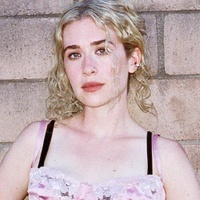
Alex Farrar is a producer, mixer and engineer from Asheville, NC. He is also the co-owner of Drop Of Sun Studios in West Asheville.
Conversation
On working behind the scenes
Producer Alex Farrar discusses knowing which projects to take on, finding mentorship, and the unseen roles in artistic work.
As told to Giliann Karon, 2425 words.
Tags: Music, Collaboration, Focus, Inspiration, Business.
When you take on a project, what do the first conversations about its aesthetic and direction look like?
When someone reaches out, I get on the phone with them. I listen to their demos to understand the subject matter, where they are in life, and what they’re trying to say. I want to know how they want to record and what they want the process to feel like. I’m curious about the music they enjoy, even if it has nothing to do with what they want to make, and their other interests, whether that’s movies or something else. I want to understand their personality.
There’s typically an overarching through-line. I try to understand how it appears in their work and interests, what they want it to become, and what their goals are. Most of it is just talking.
Over your career, how have you standardized such a subjective, vibes-based process?
The more I work across different styles, the more I let artists lead. I have methods and techniques I’ve developed, but I leave room for each person. The work should feel like their own.
If someone has only written pop records but wants to make a punk record, I apply my technical skill set to their creative process. My role is to make it easy for them to make their statement. Over the years, I’ve learned to let artists guide the process while I remove obstacles.
What cues do you take from musicians? How do you step in when they aren’t sure what they want or struggle to articulate their direction?
That’s an important sense to develop as a producer or engineer. Some artists want feedback and are direct about it. Then it’s easy to know when to chime in.
Sometimes, people aren’t sure. You have to sense how comfortable they are and how much feedback they want. You want the record to be the best it can be and become their favorite.
If you see an opportunity to rearrange the song, speak up gently. Frame the suggestion around making the song the best it can be. When I share an idea, it’s meant to serve what the artist wants, not something I personally think is cool.
I’ll work with someone for two weeks. We’ll get into the weeds, it’ll be amazing, and I’ll be fully invested.
In another week, I’m gonna do this again with another record, and they’re gonna tour for it. It will be part of their identity for the rest of their life in a much different way than it will be for me. I try to be realistic about the life cycle of an album and lean on the creative decisions I think will live with them best. I want them to love this and be proud of it in 20 years.
When you’re working with an artist, how do you know when to make an executive decision or when to let up?
I largely follow them. If they’re passionate about something and say, “Dude, trust me, this is the way,” I’ll follow them. If something feels off, I’m not shy about saying so from the jump. I may see it differently, but I remember my role: to serve their vision, see it through their lens, and use my skills to help them achieve it. There’s a balance.
I want them to feel comfortable making those decisions. Often, they’re looking to me because they’re like, “I love where this is going, but I don’t know how to get there.” That’s an easier place for me to jump in. I’ll express my two cents, but I’m also gonna trust and follow them for the most part.
What’s the most significant shift you’ve helped an artist make from one album to the next?
I’ve worked with artists who are curious about leaning toward a certain genre or aesthetic but are nervous about how it will come across. When we’re working together, I don’t think much about how it will land with other people. I try to create a space where, if you like something, you should do it. We should make that punk record or that singer-songwriter record, whatever it is.
I’ve heard people say, “I’m used to hearing this band one way, but they sound different on this record. They’re going in a new direction.” It’s fun to see artists get excited when they make something they weren’t comfortable making before. Maybe they felt too timid to make a record this loud or too anxious to make one this vulnerable.
A lot of that comes from shutting out how others perceive your work and focusing on what you truly want to do and what inspires you. I think that translates to listeners.
You can hear when somebody’s really feeling what they’re doing. That’s more compelling than someone doing what they think you want to hear or curating their work for the listener. The relationship between an artist and their fans is sacred.
Fans want artists to do what inspires them most. My responsibility is to make artists comfortable enough to create what truly inspires them, rather than what they think they should make.
People can tell when an artist is playing the hits because they think that’s what fans want, regardless of what they feel compelled to do.
When I see a band play only new songs, but they’re having the best time, I can tell they’re fucking stoked about what they’re doing. That’s the best thing. As a music fan, that’s what I want to pick up on.
Then you see their fans having fun, even if it’s not what you came for. That’s such a unique experience.
Totally, I’m all for letting your gut lead the charge.
What drew you to this side of recording rather than being a touring or session musician? What stood out about these less visible contributions?
I’ve been a musician since I was a kid, but I’ve never been comfortable in that role. I’ve played music with friends and in bands, but I think it’s a personality thing. I’m interested in the technical side, which not all musicians are. When I played in bands as a teenager and young adult, the question was always where to record. That interest led me to figure out the best way to do it.
The more I learned about recording, the more I loved it. As I recorded more friends’ bands, I found a way to be part of music without performing. Everyone has a role. You contribute to the music community by writing, recording, making merch, working at a venue, or promoting shows. Your work still reaches people.
If you’re really invested and you love music or the scene you’re a part of, it’s cool for people to find how they can fit into that world. It’s not always being the front person in a band. There are so many different things that need to be done.
When did you realize it was more than a hobby and that you needed to treat it like a career?
I recorded bands for fun until it became a paid side gig in my early to mid twenties. I also did live sound while working other jobs.
Then the pandemic happened, and no one needed live sound. I could find another job or go all in on the studio. The question was whether it could sustain me.
What do you wish you’d approached differently when you started producing and mixing full time?
I never did a proper internship, which is common for people who have done this a long time. Maybe there was a benefit to figuring it out on my own or with my peers. Still, I wonder what my trajectory would have been if I had interned somewhere I admired.
We’re fortunate to have interns at my studio now. Two of our in-house engineers started as interns with little knowledge of Pro Tools, engineering, or production. Two years later, they’re great at it.
I had to fumble through it longer, but maybe that had benefits. My studio partner, Adam McDaniel, and I came up together, taking cues from each other and experimenting as we developed our techniques. We learned as much as we could from the engineers we met.
When people are working under you, how do you make sure their output is cohesive and has whatever the “Drop of Sun touch” is?
It’s okay if a new hire or intern lacks technical recording knowledge, as long as they can support the space personally. That instinct is part of their personality, and you can’t teach it.
The first thing we talk about is that it’s a really vulnerable space. When an artist walks into the studio, you want them to feel like they can do their best work here. You want them to feel welcomed. All the technical stuff is important, but it’s not top of mind to the artist. Sometimes recording studios can feel like, “I don’t know if I’m allowed to put my drink here.” It’s a professional place, but we want it to feel comfortable and hospitable. That’s the most significant through line.
If you compare my studio partner’s work with mine, you’ll hear variation, even within our catalogs. The sound and aesthetic change from project to project, but the experience is the through-line.
Technical skills can be taught. Reading a room is different.
So much of the music you work on has local significance. You’re building on a scene and a legacy. It’s hard to teach the importance of that.
We’re selective about who we involve. We interview many interns who are kind and professional, but if that instinct isn’t automatic, they may not be the right fit. It’s hard to create room for something that isn’t there.
Two former interns are now team members, and we stay connected with several who didn’t remain full-time. A few months ago, someone who interned with us around 2023 called and said, “Hey, I’m in Nashville working on a record. Can I play you a song and meet with you?” The biggest sign of success is seeing our interns move on and succeed on their own. That’s what we want most.
What are the advantages of living in a city like Asheville, which has such a vibrant local art scene but is also removed from industry politics?
I’m lucky to be here and happy I stumbled upon it when I did. There are advantages to pursuing production and engineering in New York, LA, or Nashville. There’s more industry and more opportunity to learn from others, but I’m grateful for the community here.
People lean on each other, artist to artist and peer to peer. When you boost your peers, everyone benefits. There’s not much ego in Asheville. You put friends on the bill because you want them to be seen and heard. You’re always boosting each other.
You find your own path because there isn’t a predefined one. It’s not like, “If you wanna be an engineer, move to LA and intern,” or follow a playbook. In Asheville, you figure it out yourself, and something cool comes from that.
When everyone is building the plane as they fly it, how do you find mentorship?
Through work, I’ve connected with producers, engineers, and artists around the country. That has been valuable. A couple of people were especially helpful.
It’s important to have experienced people around you with a strong moral compass and an ethos that aligns with yours. Life experience matters, too. A mentor doesn’t have to be another producer or engineer. I’ve found great informal mentors by reaching out to people whose work I admire.
When is the last time you said no to a new project, and why?
I go through phases of saying yes to as much as possible. I’ve enjoyed where that’s led: “Oh man, I would’ve never worked on this kind of record, met this person, or had this experience.”
I also recognize when I’m not the person who can get you where you want to go. That doesn’t reflect the quality of your work. If I lack the tools to get you there, it’s easy to say, “I don’t know that I’m the one for this, but I know you’ll find that person.”
If I have to push myself to do it, that’s a bad sign. You’re gonna fight against that throughout the project.
How do you listen to music for pleasure without going into work mode?
I work on a lot of indie rock records, and I go through long phases of not listening to that kind of music outside work. I change it up. It’s hard to turn that lens off, but I do this because I’m a fan. Music is my favorite thing. Staying in touch with why I love it usually lets that guard down.
What’s a creative instinct you have to fight against, and how do you do that?
I’m a big metalhead and always have been, so I have a semipermanent urge to make everything loud and distorted. I have to check that because I rarely work on metal records. Not everyone wants their record to sound brutal.
It comes back to letting the artist lead. Letting them define the record’s touchstones usually keeps those urges in check.
How do you approach digital spaces? What’s your relationship like with social media, email, and other online distractions?
I’m not built for it. I don’t enjoy it, and I’m selective about how I use it. A couple of months ago, someone in the studio said, “I just started following you on Instagram. Did you know you’re coming up on the one year anniversary of your last post?”
I see Instagram’s value for artists because, for better or worse, it’s how people know what’s happening. But I try to shut out how my work is perceived or used after its creation. What matters is that the artist is happy and feels they’ve done their best work. Social media often seems to be about what people think.
People discussing and engaging with the work is beautiful and valuable. Personally, I prefer to focus on its inception and creation rather than the aftermath.
Alex Farrar recommends:
Author: Gerald Murnane
Record: Joan of Arc, So Much Staying Alive and Lovelessness
Movie: Sideways
Place: Static Age Records
Thing: hot sauce
- Name
- Alex Farrar
- Vocation
- producer
Some Things
Pagination